Tempo lettura: 5 minuti
Dal 31 luglio al 16 agosto, la Toscana si prepara ad accogliere uno degli eventi più attesi dell’estate. Torna Calici di Stelle in Toscana, l’iniziativa che celebra il vino e i suoi territori, e che dal 24 luglio attraverserà tutta Italia.
Saranno oltre 50 gli eventi che coinvolgeranno, in tutta la regione, circa 30 cantine. Nove invece i comuni coinvolti: Castellina in Chianti (SI), Castiglione d’Orcia (SI), Montepulciano (SI), Poggibonsi (SI), Rapolano Terme (SI), Pitigliano (GR), Suvereto (LI), Certaldo (FI) e Vinci (FI).
Le proposte saranno altrettanto varie, con cene, degustazioni guidate, picnic, aperitivi al tramonto e visite serali a cantine e vigneti. Come sempre tutto sotto al cielo stellato dell’estate: saranno infatti anche organizzate degustazioni accompagnate da osservazioni astronomiche.
Di seguito il programma nel dettaglio.

Castellina in Chianti
A Castellina in Chianti Calici di Stelle approderà il 9 e il 10 agosto. Il borgo medievale di Castellina ospiterà due serate di street food e degustazioni, accompagnate dalla magica atmosfera della notte di San Lorenzo.
Si parte domenica 9 agosto con Calici d’Italia, banchi di degustazione di vini e prodotti provenienti da tutta Italia, abbinati allo street food per le piazze e le vie del centro storico.
Ma sarà lunedì 10 agosto, nella notte di San Lorenzo, che si svolgerà la serata principale della festa. Sarà dedicata ai vini del Chianti Classico dei viticoltori della Castellina, con musica dal vivo, gastronomia e l’osservazione delle stelle cadenti lungo le mura del borgo con la guida degli astrofili.
Castiglione d’Orcia
Degustazioni di Orcia DOC, osservazione delle stelle e passeggiate in notturna. Queste solo alcune delle anticipazioni sugli eventi che vedranno protagonista l’affascinante borgo di Castiglione d’Orcia.
Nei prossimi giorni saranno annunciati gli eventi nel dettaglio.

Montepulciano
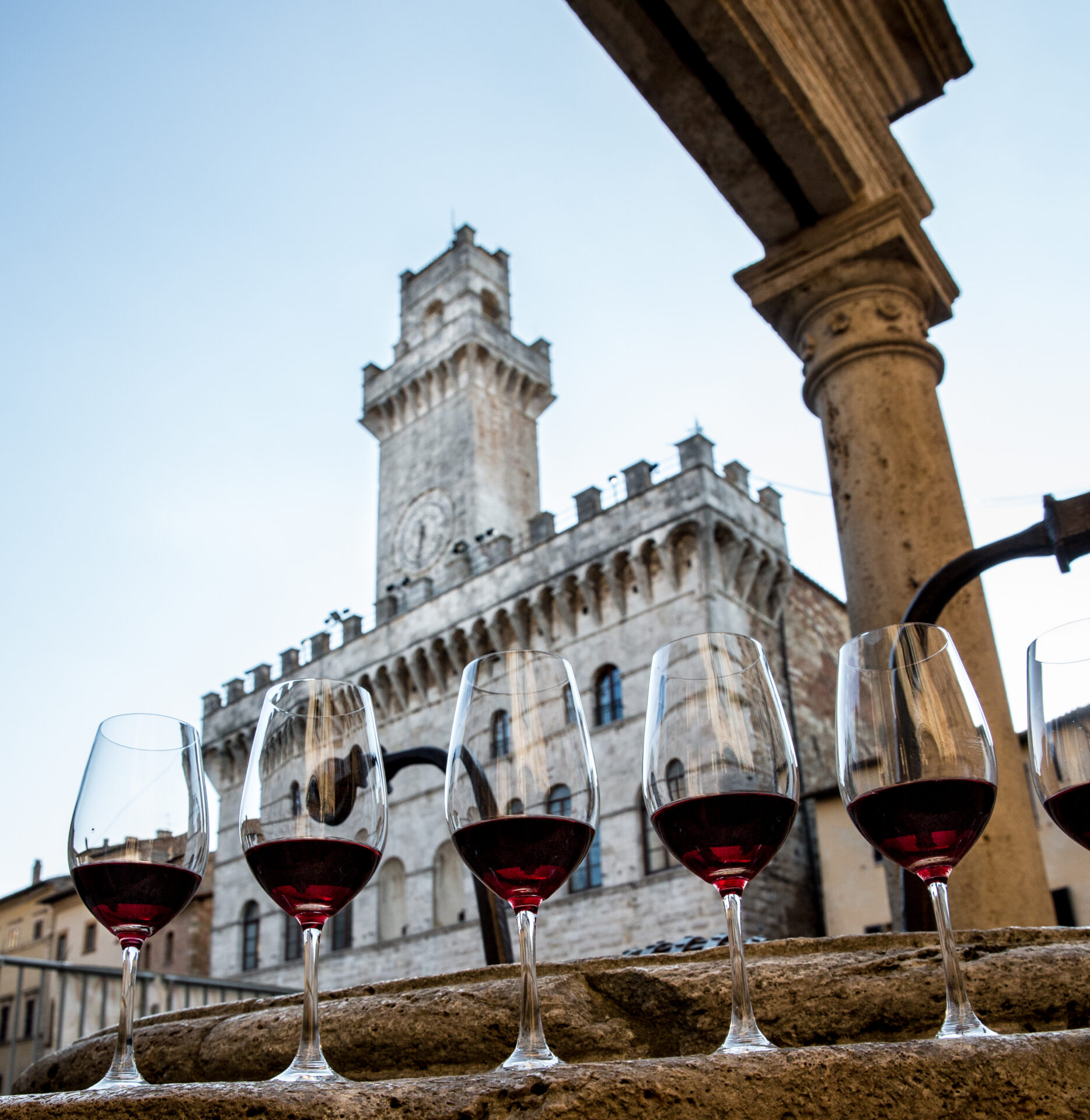
Calici di Stelle arriva a Montepulciano per la notte di San Lorenzo. Sarà infatti il 10 agosto l’evento che permetterà ai visitatori di degustare il Rosso e il Nobile di Montepulciano, accompagnati da prodotti tipici, sotto le stelle cadenti.
Quest’anno si festeggiano anche i 25 anni di Calici di Stelle nel borgo tra la Val di Chiana e la Val d’Orcia.
Terrazza di Vicolo del Leone
Calici di Stelle a Montepulciano si propone con diverse modalità di degustazione e convivialità: la prima tipologia è quella ospitata sulla Terrazza di Vicolo del Leone, con una degustazione di Vino Nobile di Montepulciano DOCG a cura dei produttori e alla presenza dei sommelier FISAR. A completare l’atmosfera un intrattenimento con musica dal vivo. La degustazione sarà a sedere, con posto non assegnato, e si dividerà in due turni (19.30 e 21.30). In abbinamento al vino prodotti tipici del territorio. Il costo è di 25€ ad adulto e 10€ a bambino. Prenotazione obbligatoria sul link.
Loggiato della Canonica di San Biagio
La seconda degustazione guidata si terrà nel Loggiato della Canonica di San Biagio. Per degustare al meglio il Vino Nobile di Montepulciano DOCG, con la guida dei produttori e dei sommelier FISAR, musica dal vivo. In abbinamento alla degustazione una tartare di chianina a cura del Consorzio del Vitellone Bianco dell’Appennino Centrale IGP. I turni saranno alle 19 e alle 21.30, il costo è di 25€ ad adulto e 10€ a bambino. Prenotazione obbligatoria al link.
Degustazione itinerante
Torna anche quest’anno la formula della degustazione itinerante. Con l’acquisto di un coupon stella il calice e il porta calice da utilizzare per le degustazioni nelle vie del centro storico. L’apertura è alle ore 18, mentre la degustazione prosegue dalle 19 alle 24. I punti sono Piazza Grande, Sant’Agostino e le 8 Contrade del Bravìo delle Botti di Montepulciano. Il coupon, al costo di 15€, potrà essere acquistato solo la sera dell’evento e include 5 degustazioni (3 degustazioni di Vino Nobile di MontepulcianoDOCG e 2 degustazioni di Rosso di Montepulciano DOC oppure 2 cocktail a cura di 43° Parallelo), un calice e un porta calice. Sarà possibile portare anche il calice delle passate edizioni, acquistando solo il coupon al costo di 12€.
Degustazione in Contrada
Sarà infine possibile degustare il Rosso e il Nobile di Montepulciano in una location di eccezione. Le otto Contrade del Bravìo delle Botti parteciperanno attivamente attraverso l’organizzazione di cene con degustazione, offrendo ai partecipanti un contesto conviviale e autentico. Si potrà acquistare la bottiglia di Vino Nobile di Montepulciano DOCG o di Rosso di Montepulciano DOC direttamente in Contrada, presso il desk ufficiale di Calici di Stelle a Montepulciano, dalle 19.30 alle 23. Si potrà degustare la bottiglia esclusivamente in Contrada, acquistando alla sera dell’evento. Il costo è di 20€ per la bottiglia di Nobile e 10€ per quella di Rosso. E’ prevista una cauzione del calice in vetro di 5€.
Per maggiori informazioni e programma completo https://www.calicidistellemontepulciano.it/
Poggibonsi
Anche Poggibonsi ospiterà Calici di Stelle nella notte del 10 di agosto. Dalle ore 20.30 i camminamenti della Fortezza di Poggio Imperiale, con passeggiate in notturna, degustazioni e osservazioni astronomiche.
Rapolano Terme
Calici di Stelle arriverà anche nelle Crete Senesi con un appuntamento a Rapolano Terme venerdì 7 agosto.
Maggiori dettagli sulla programmazione saranno annunciati nelle prossime settimane.

Pitigliano
Dal 9 al 10 agosto il centro storico di Pitigliano si illuminerà con Calici di Stelle. Il centro storico è pronto a ospitare degustazioni dei migliori vini locali, accompagnati da musica e stelle, in una delle location più suggestive della Maremma.
I banchi saranno allestiti in Piazza della Repubblica, Via Roma, Via Zuccarelli e i caratteristici vicoli del borgo. Con il calice e la sacca acquistati all’ingresso, i partecipanti potranno passeggiare tra le postazioni assaggiando i vini delle cantine del territorio, su tutti il celebre Bianco di Pitigliano, abbinati ai piatti tipici proposti dai ristoratori locali.
La manifestazione è preceduta da un’anteprima il 9 agosto, ospitata al Museo Archeologico all’Aperto “Alberto Manzi”. Sarà possibile partecipare a una visita guidata alla “Città dei Vivi”, oltre a una degustazione guidata dei vini della Fattoria La Maliosa e un brindisi accompagnato da concerto dal vivo.
Suvereto
Arriva anche a Suvereto, la notte del 10 agosto, l’edizione 2026 di Calici di Stelle. Il borgo medievale si trasformerà in un grande salotto a cielo aperto per Calici di Stelle.
Lungo le vie del centro storico, dall’arco di ingresso fino alla Rocca Aldobrandesca, si snoderà un percorso di degustazione con oltre cento etichette dei vini di Suvereto e della Val di Cornia, accompagnate da assaggi gastronomici e musica dal vivo, oltre che dalla possibilità di osservare le stelle cadenti.

Il servizio dei vini è curato dai sommelier della delegazione FISAR Costa Etrusca, mentre l’osservazione delle stelle dall’Associazione Astrofili di Piombino.
Certaldo
A Certaldo Calici di Stelle arriva con un weekend dedicato al vino e a uno dei poeti simbolo della letteratura toscana (e certaldino). Calici di Stelle – DiVinBoccaccio andrà avanti da venerdì 31 luglio a domenica 2 agosto, dalle ore 20 alle 24.
Nei prossimi giorni saranno annunciate le cantine partecipanti e il programma completo.
Vinci
Dalle ore 19 del 10 agosto, il centro storico di Vinci sarà vetrina per i migliori vini del territorio, coniugati in un assaggio tra prodotti locali, cultura e stelle cadenti.
La degustazione sarà itinerante per le vie del borgo. Il percorso ideale parte dai bianchi IGT Toscana freschi e profumati al punto di assaggio di Piazza dei Conti Guidi, per poi proseguire verso i rossi più giovani e i Chianti DOCG più strutturati, nelle versioni “Montalbano” e “Riserva”, distribuiti nelle stazioni allestite intorno al Castello dei Conti Guidi. Non mancheranno poi le bollicine, ideali per brindare alla sera d’estate.

Concerti dal vivo accompagneranno l’apertura straordinaria e gratuita del Castello dei Conti Guidi, dalla cui terrazza sarà possibile ammirare, grazie all’osservazione guidata dall’Osservatorio Beppe Forti di Montelupo Fiorentino, lo sciame di Perseidi che illuminerà la notte di San Lorenzo.
Segui le nostre news sul canale WhatsApp
CLICCA QUI
Per continuare a rimanere sempre aggiornato
Iscriviti al nostro canale e invita i tuoi amici
#Adessonews seleziona nella rete articoli di particolare interesse.
Se vuoi leggere l’articolo completo clicca sul seguente link
Redazione
Source link